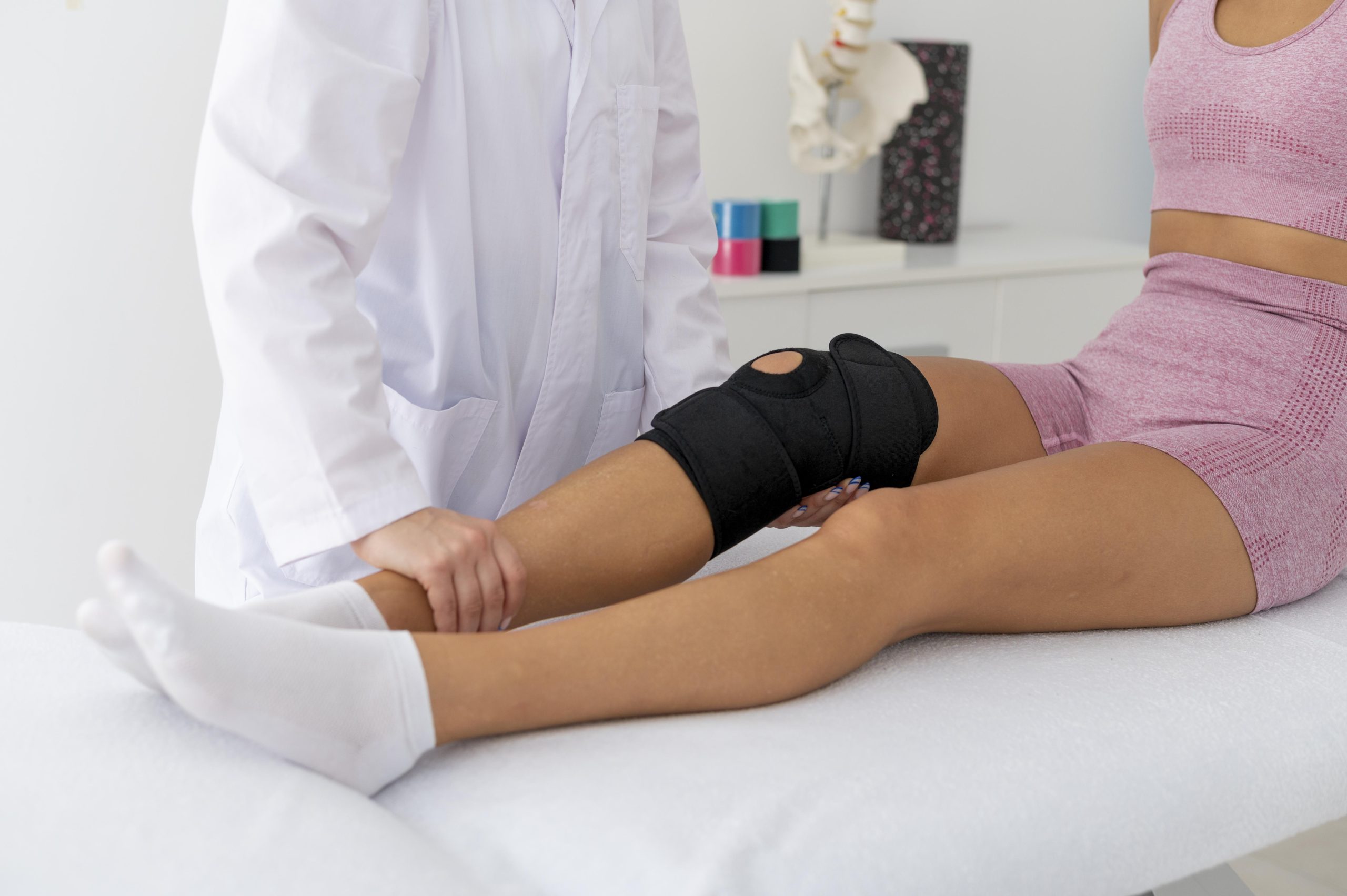
Meniscus injuries are among the most common knee conditions, especially in active individuals, athletes, or those whose routines involve repetitive twisting or deep knee bending. These injuries range in severity from minor tears to complex ruptures that significantly impact joint function.
Knee arthroscopy is a minimally invasive surgical technique used to diagnose and treat meniscus injuries when symptoms do not improve with conservative treatments.
Common Causes of Meniscus Injuries:
- Sudden twisting or pivoting movements.
- Lifting heavy objects incorrectly.
- Aging, which naturally weakens the meniscus tissue.
- Direct trauma to the knee.
Frequent Symptoms:
- Knee pain, especially when twisting or squatting.
- Swelling or stiffness.
- A "locking" or catching sensation in the knee.
- Difficulty fully extending or bending the leg.
Not all meniscus injuries require surgery. In many cases, conservative treatment is sufficient. However, arthroscopy becomes necessary in the following situations:
1. Persistent Symptoms:
When pain, inflammation, or limited movement persists despite physical therapy, anti-inflammatory medications, or injections.
2. Mechanical Locking of the Knee:
If a torn fragment of the meniscus obstructs the joint's normal movement, arthroscopy is often the best option to "unlock" the knee and restore function.
3. Complex or Severe Tears:
Large tears, radial tears, or injuries in the "white zone" of the meniscus (an area with poor blood supply) typically require surgical intervention, such as repair or transplantation.
4. Active Patients and Athletes:
For athletes or individuals who need to regain mobility quickly for specific activities, arthroscopy offers an effective and streamlined path to recovery.
Recovery After Arthroscopy
Recovery time varies depending on the type of procedure performed (meniscectomy vs. meniscus repair) and the patient’s overall health.
Phases of Recovery:
- Immediate Post-Op: Use of crutches to reduce weight-bearing and pain management through medication.
- Physical Therapy: Exercises to regain range of motion, strengthen surrounding muscles, and stabilize the joint.
- Progressive Reintegration: A gradual return to daily activities or sports under medical supervision.
Most patients can resume normal activities within a few weeks, though recovery may be longer for complex meniscus repairs.
Conclusion
Arthroscopy is a safe and effective tool for treating meniscus injuries when conservative methods are insufficient. If you are experiencing symptoms of a meniscus tear or persistent knee discomfort, consult with an orthopedic specialist to determine the best treatment plan for your lifestyle.