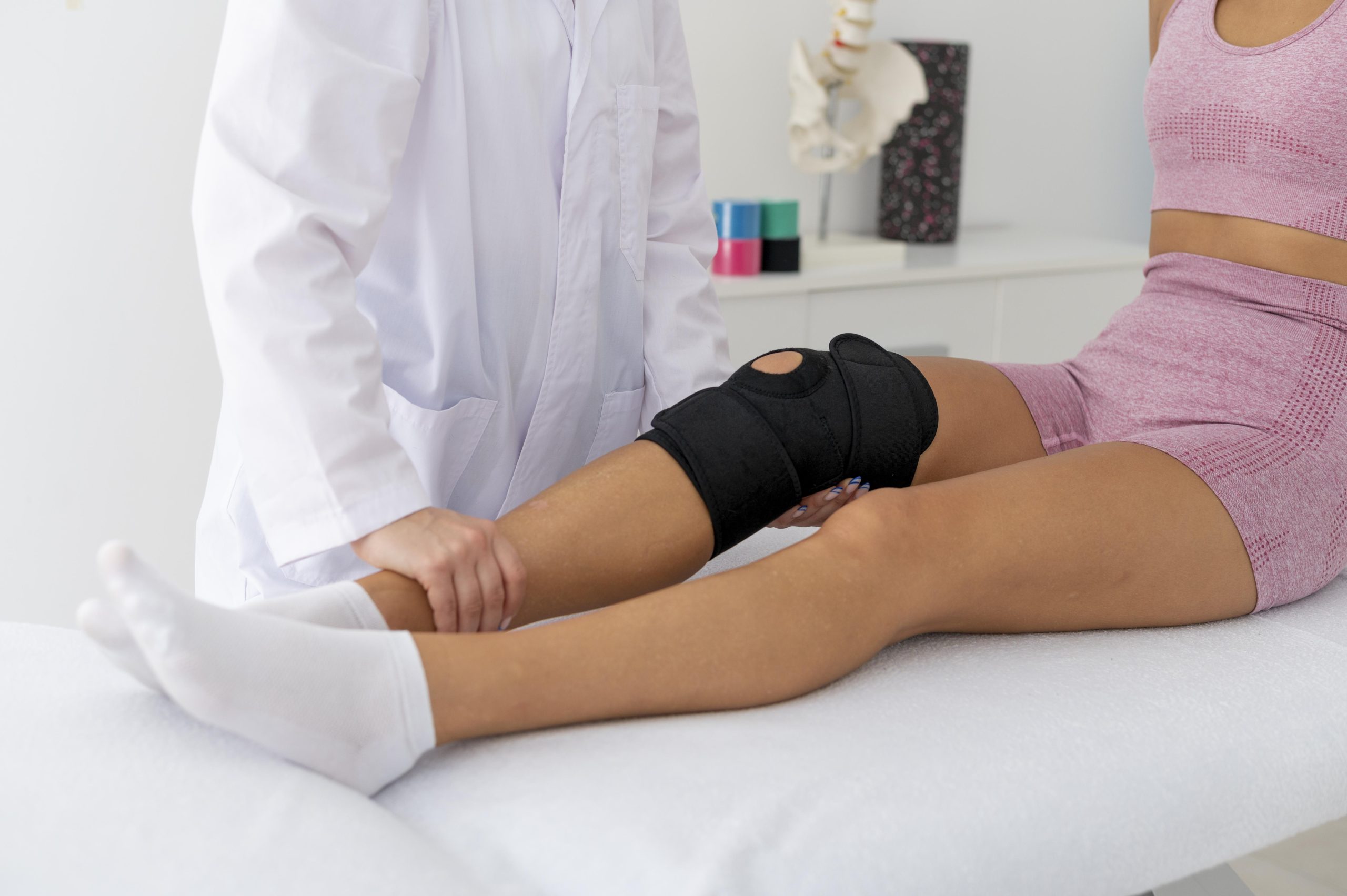
Hip joint wear and tear, also known as hip osteoarthritis, is a condition that primarily affects older adults, though it can also occur in younger individuals due to previous injuries or genetic conditions. This condition happens when the cartilage that cushions the hip joint wears down over time, leading to pain, stiffness, and loss of motion. If not properly treated, this wear can significantly impact your quality of life and your ability to perform daily activities.
Symptoms of Hip Wear and Tear:
- Persistent Hip Pain: Usually worsens when walking or performing weight-bearing activities.
- Stiffness and Loss of Mobility: Difficulty moving freely, especially when getting up from a chair or walking long distances.
- Inflammation and Tenderness: The hip joint may become swollen and sensitive to the touch.
- Joint Noises: Clicking, popping, or grinding sensations when moving the hip.
When is Surgery Needed?
Initial treatment includes lifestyle changes, medication, and physical therapy. However, in advanced cases where pain is persistent and affects functionality, surgery becomes the best option to provide relief and restore mobility.
The following signs indicate that surgical intervention may be necessary:
- Pain is not relieved by medication or physical therapy.
- Hip mobility is severely limited.
- Daily activities are significantly affected.
- Pain interrupts sleep or routine tasks.
The choice of procedure depends on the severity of the wear and the patient's specific needs:
1. Hip Arthroscopy:
For mild to moderate wear or when loose cartilage fragments are present, arthroscopy is a minimally invasive option. Using small incisions and a camera (arthroscope), the surgeon removes damaged tissue or cleans the joint. While it does not "cure" wear, it can alleviate symptoms and delay the need for major surgery.
2. Hip Osteotomy:
This procedure is designed to realign the hip and redistribute weight more evenly. It involves cutting and repositioning the femur or the pelvis. Osteotomy is often an option for younger patients with localized hip wear.
3. Total Hip Replacement (Hip Arthroplasty):
This is the most common surgical solution for advanced wear. The surgeon replaces both the femoral head and the socket (acetabulum) with artificial prostheses made of metal, plastic, or ceramic. It significantly relieves pain and restores mobility.
4. Partial Hip Replacement:
In some cases where only one part of the hip is damaged, a partial replacement may be performed, replacing only the femoral head. This option preserves more natural tissue and may be suitable for specific patients.
Hip joint wear is a painful and limiting condition, but with modern orthopedic surgery, patients have effective options to regain their quality of life. If your hip pain interferes with your daily routine, consult a specialist to explore the right treatment plan for you.