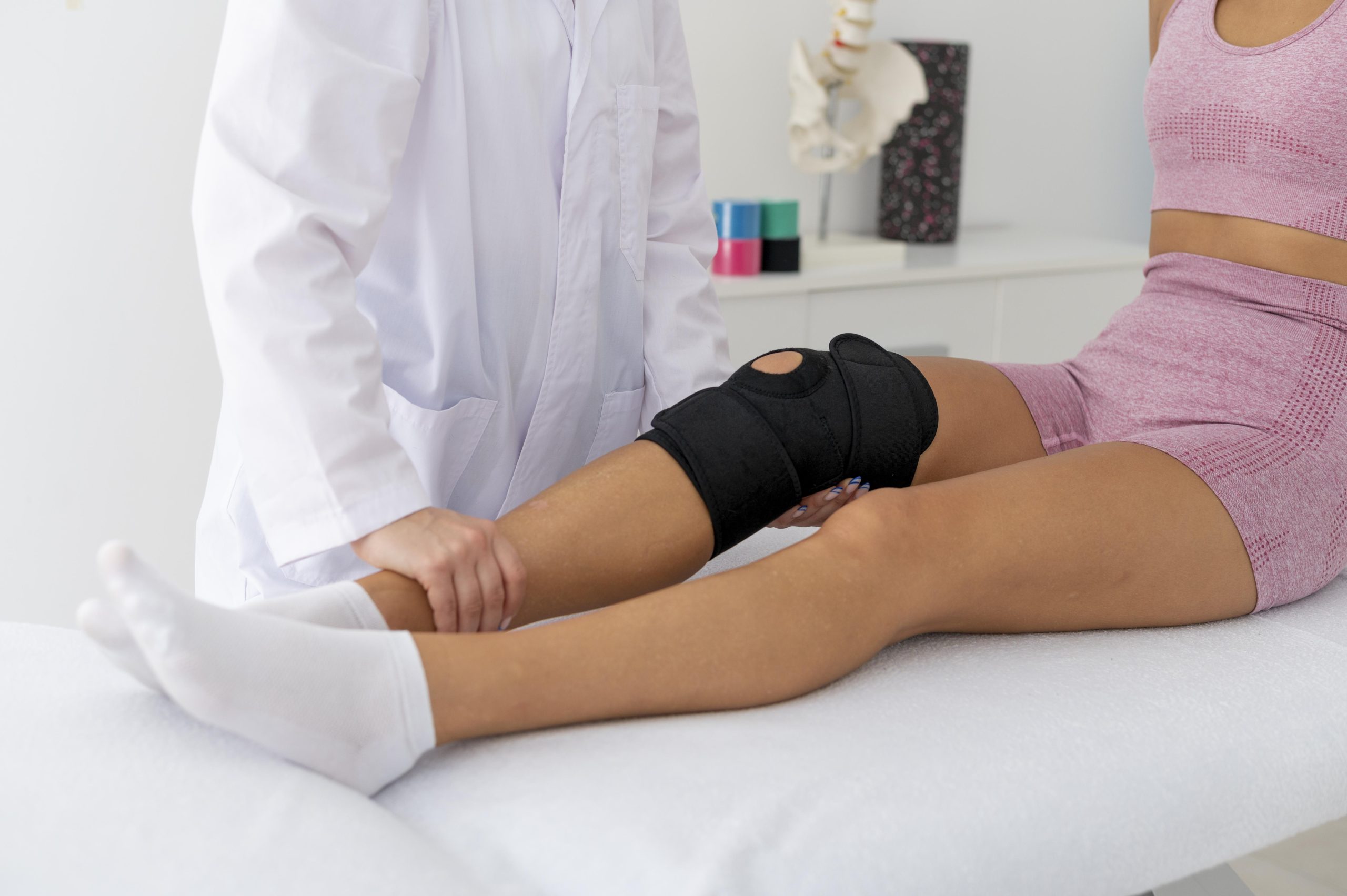
Hip bursitis is a painful condition that occurs when the bursae—small, fluid-filled sacs that cushion the joints—become inflamed. In the hip, several bursae help reduce friction between bones and soft tissues, such as muscles and tendons. When one of these bursae becomes inflamed, the pain can become debilitating and affect your ability to move normally.
Common Causes of Hip Bursitis:
- Overuse or Repetitive Motion: Activities such as running, walking long distances, or repetitive movements can put pressure on the bursae, leading to inflammation.
- Injury or Trauma: Direct impacts to the hip or falls can irritate the bursae.
- Muscle Imbalances: Weakness or tightness in the muscles surrounding the hip can increase friction and pressure on the bursae.
- Postural Issues: Maintaining poor posture or performing improper movements can also affect the hip and trigger bursitis.
- Underlying Conditions: Conditions such as arthritis or gout can increase the risk of developing bursitis.
Common Symptoms:
- Pain on the outside of the hip, which may radiate down to the thigh or buttock.
- Tenderness and pain when pressing on the affected area.
- Difficulty moving or performing daily activities, such as walking or climbing stairs.
- Swelling or redness in the affected area.
- Pain that worsens with movement or physical activity.
Treatment for Hip Bursitis
Treatment depends on the severity of the inflammation and the patient's symptoms. In most cases, conservative treatments are effective.
1. Conservative Treatments:
- Rest and Activity Modification: Avoiding activities that worsen symptoms, such as long-distance walking or heavy lifting, allows the hip to recover.
- Ice Therapy: Applying an ice pack to the affected area for 15–20 minutes several times a day can reduce inflammation and pain.
- Anti-inflammatory Medications: NSAIDs (such as ibuprofen or naproxen) can help manage pain and swelling.
- Physical Therapy: A physical therapist can design a specific exercise program to improve flexibility, strength, and mobility, helping to reduce pressure on the inflamed bursa.
2. Corticosteroid Injections:
If pain persists despite conservative treatments, your doctor may recommend a corticosteroid injection directly into the bursa to rapidly reduce inflammation and provide relief.
3. Surgery:
In rare cases where hip bursitis does not respond to other treatments, surgical intervention may be necessary. Surgery is generally used to remove the inflamed bursa (bursectomy) or repair surrounding tissues. This step is only considered when all other options have been exhausted.
Hip bursitis can significantly impact your quality of life, but with the right diagnosis and treatment, most people find lasting relief.
Preventing bursitis through muscle strengthening, weight management, and proper rest is key to maintaining hip health. If you are experiencing persistent pain or symptoms of bursitis, consult a specialist to receive proper care and restore your mobility.