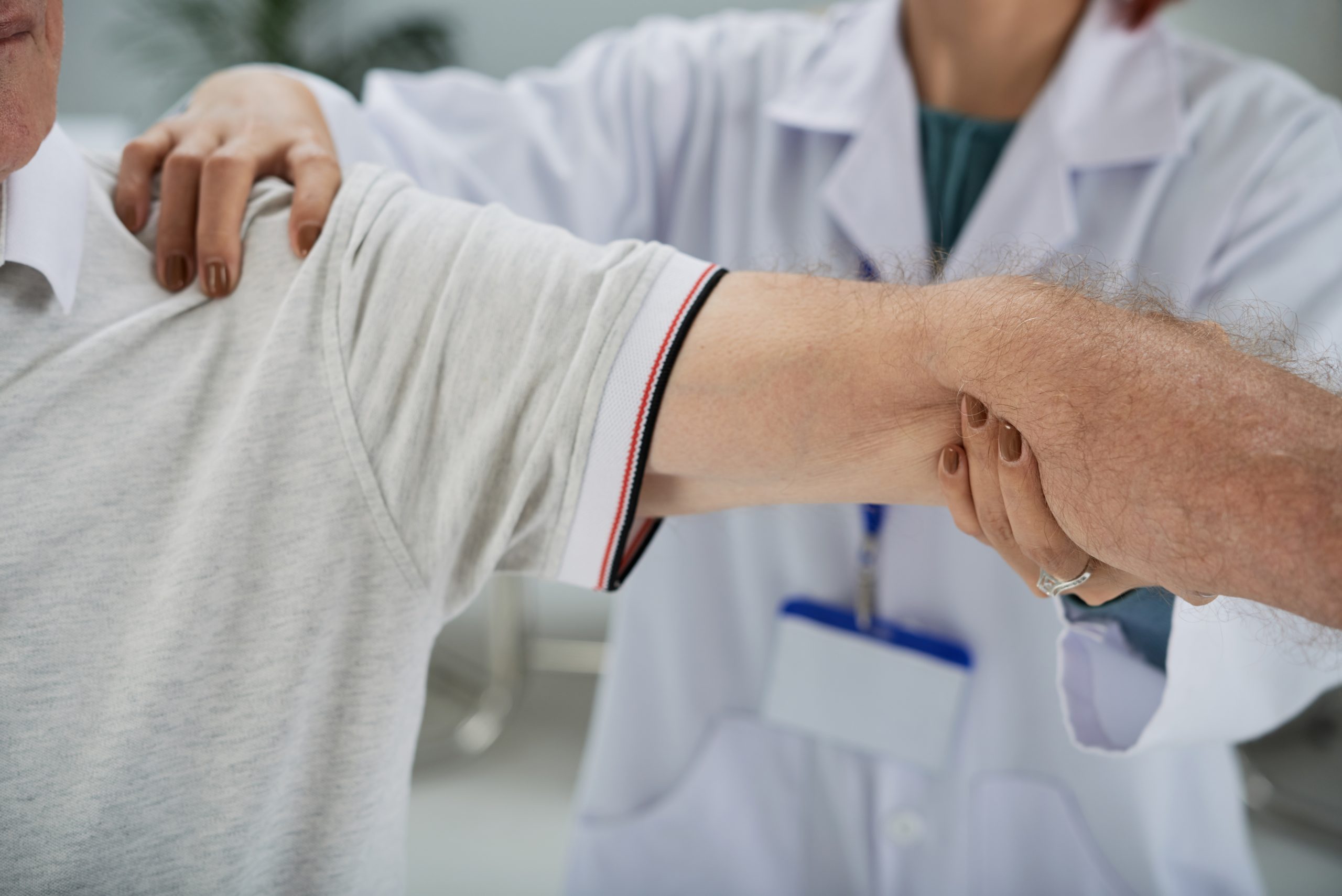
Shoulder arthroscopy is a minimally invasive surgical technique that allows specialists to diagnose and treat various conditions within the shoulder joint. This procedure has revolutionized sports medicine and orthopedics by offering less painful solutions, faster recovery times, and excellent functional outcomes.
How does shoulder arthroscopy work?
During an arthroscopy, the surgeon uses an instrument called an arthroscope—a small camera connected to a light source and a monitor—which is inserted into the joint through a tiny incision. This camera allows for high-definition, real-time visualization of the shoulder's interior.
Additional small incisions are made to introduce specialized surgical instruments. These are used to repair tendons, remove damaged tissue, or extract loose bodies, among other interventions.
Advantages of Arthroscopy:
- Minimally invasive compared to traditional open surgery.
- Smaller, more aesthetic scars.
- Lower risk of complications.
- Faster recovery and return to activity.
When is shoulder arthroscopy necessary?
Arthroscopy is recommended when non-surgical treatments—such as physical therapy, anti-inflammatory medications, or injections—have failed to relieve pain or improve shoulder mobility.
Common conditions that require shoulder arthroscopy include:
- Rotator Cuff Injuries: Repair of partial or full-thickness tears of the tendons that stabilize the shoulder.
- Shoulder Instability: Treatment for recurrent dislocations or ligament damage.
- Labral Tears: Repair of the tissue surrounding the joint socket, such as SLAP tears.
- Calcific Tendonitis: Removal of calcium deposits that cause chronic pain.
- Persistent Bursitis: Removal of an inflamed bursa that does not respond to conservative treatment.
- Shoulder Osteoarthritis: In early stages, to alleviate symptoms and improve mobility.
- Loose Bodies or Impingement: Extraction of bone or cartilage fragments that limit movement.
The Recovery Process
In most cases, shoulder arthroscopy is an outpatient procedure, meaning the patient can go home the same day. The recovery process includes:
- Initial Rest: Use of a sling to protect the shoulder during the first few weeks.
- Physical Therapy: Specific exercises to gradually regain mobility and strength.
- Medical Follow-up: Periodic evaluations to monitor progress.
While recovery time varies depending on the complexity of the injury, most patients can return to their normal activities within a few weeks to months.
Conclusion
Shoulder arthroscopy is a fundamental tool for effectively treating complex injuries with minimal invasion. If you experience persistent pain or limited shoulder movement, a timely medical evaluation can determine if this procedure is right for you.